You've decided to refresh your kitchen. The carcasses are fine, the layout works — it's just the doors that need to go. Then you hit the material question, and suddenly you're ten tabs deep into forums where people are arguing passionately about things you didn't know you needed to care about.
So here it is: a straight comparison of solid oak and MDF kitchen doors, without the forum drama.
What is MDF, exactly?
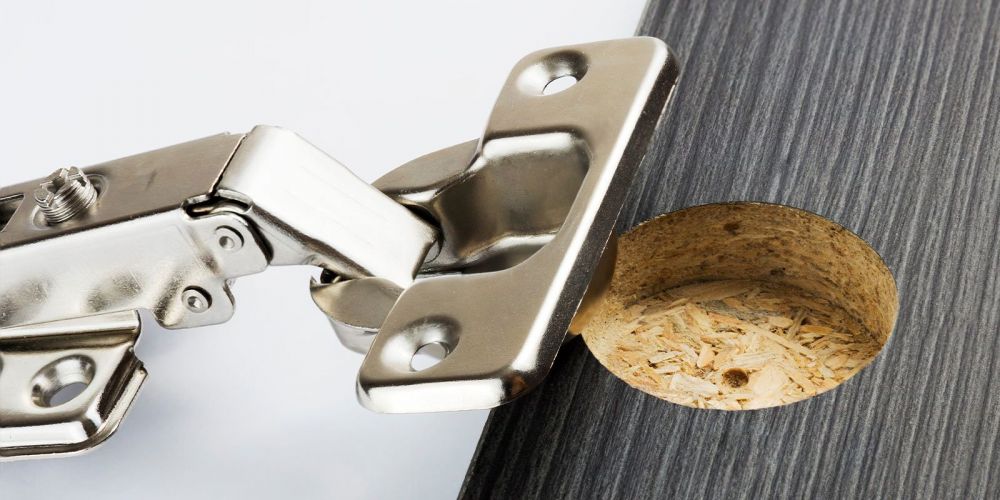
MDF stands for Medium-Density Fibreboard. It's made from wood fibres compressed and bonded with resin under heat and pressure. The result is a smooth, dense, consistent panel with no grain, no knots, and no surprises.
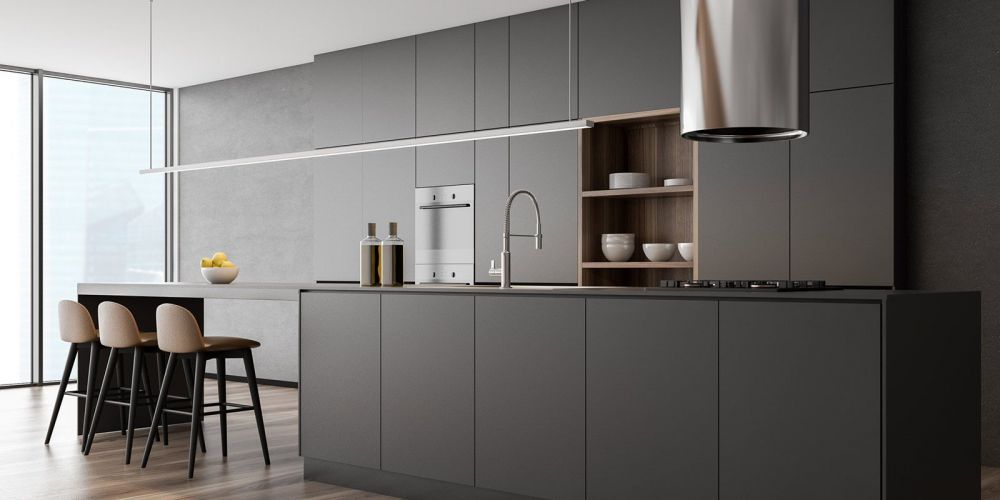
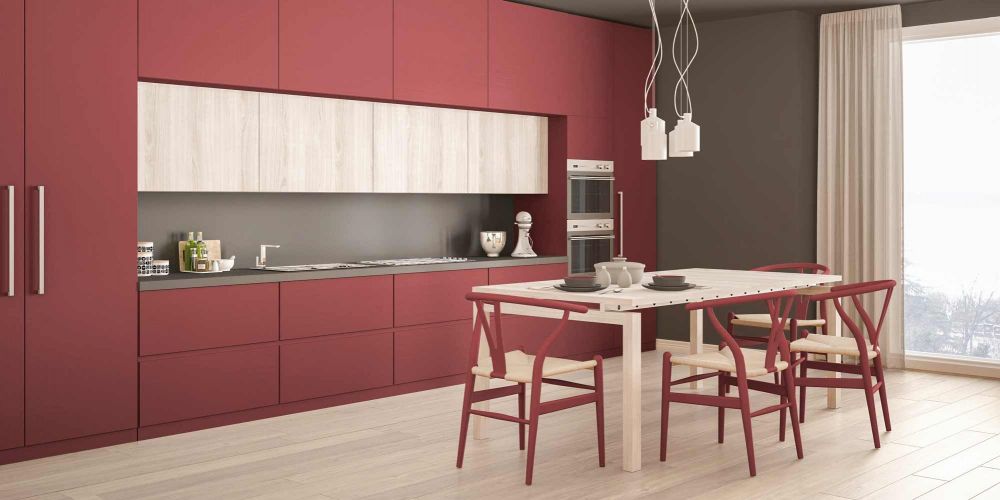
Most painted kitchen doors — the flat, sleek ones you see in showrooms and on Instagram — are MDF. It's the material behind a huge proportion of modern kitchens, including plenty of high-end ones.
It's not a budget compromise. It's a deliberate material choice with real advantages.
What makes solid oak different?
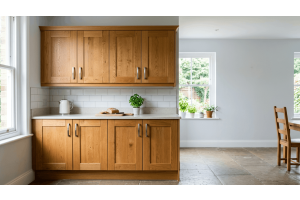
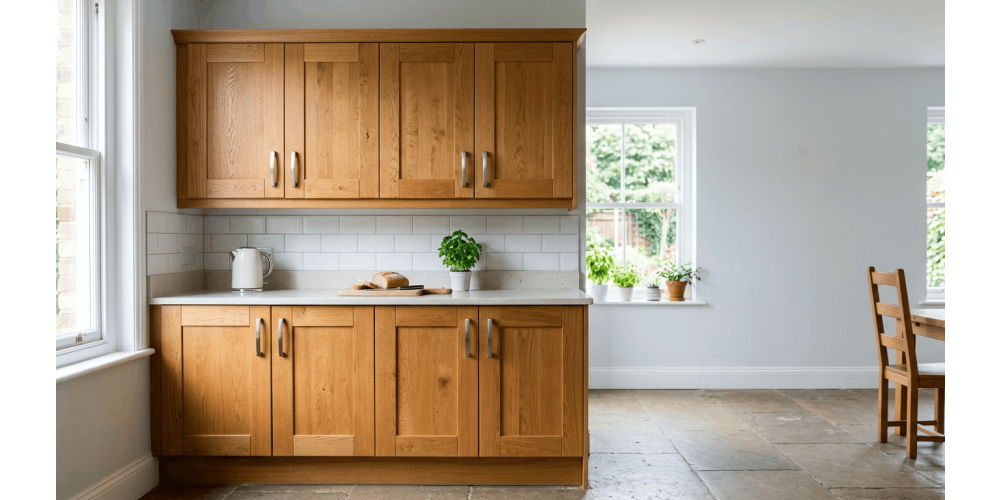
Solid oak is exactly what it sounds like: doors cut from real oak timber. Each door has visible grain, natural character, and the warmth that comes from actual wood rather than engineered board.
It's heavier than MDF, more expensive, and requires a bit more care. In return, you get something that looks and feels genuinely premium — and that can be sanded back and refinished if it gets damaged rather than replaced outright.
Solid oak vs MDF: head to head
|
Solid Oak |
MDF |
| Appearance |
Natural grain, warm, characterful |
Smooth, consistent — ideal for painted finishes |
| Durability |
Extremely durable; can be sanded and refinished |
Very durable; harder to repair if chipped or deeply scratched |
| Weight |
Heavier — worth checking hinge load ratings |
Lighter and easier to handle |
| Moisture resistance |
Solid oak can expand slightly in very humid kitchens |
Vulnerable to moisture if edges aren't sealed properly |
| Paintability |
Can be painted, but grain may show through |
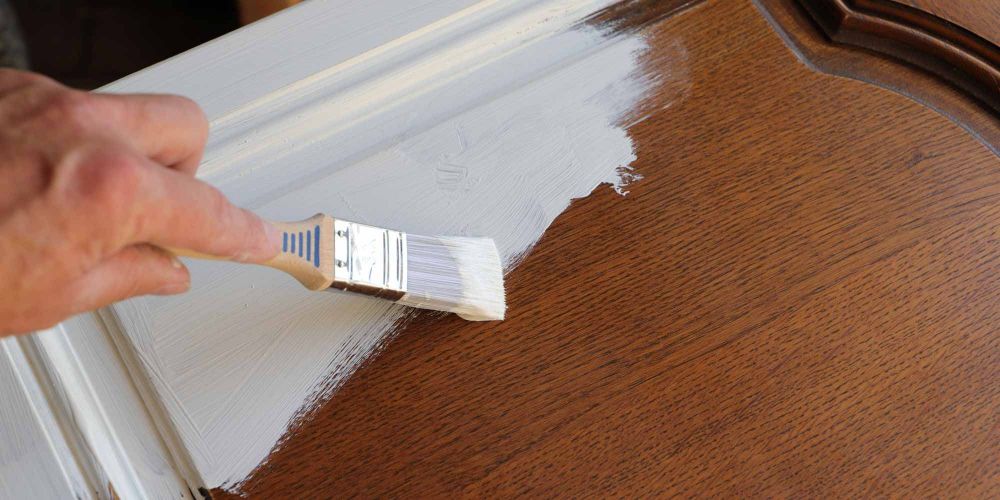
Takes paint beautifully — the go-to for a crisp painted finish |
| Stain/varnish |
Takes stain and oil brilliantly — shows the wood at its best |
Doesn't stain well; best left painted |
| Cost |
Higher material cost |
More affordable |
| Longevity |
Decades with basic care |
Long-lasting if maintained; less recoverable after damage |
| Eco credentials |
Sustainable when sourced responsibly (look for FSC-certified) |
Contains resins and adhesives; recycling is more complex |
When MDF is the right call
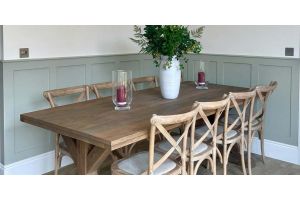
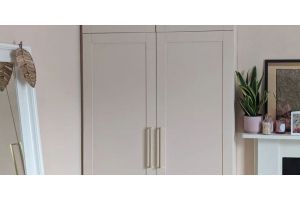
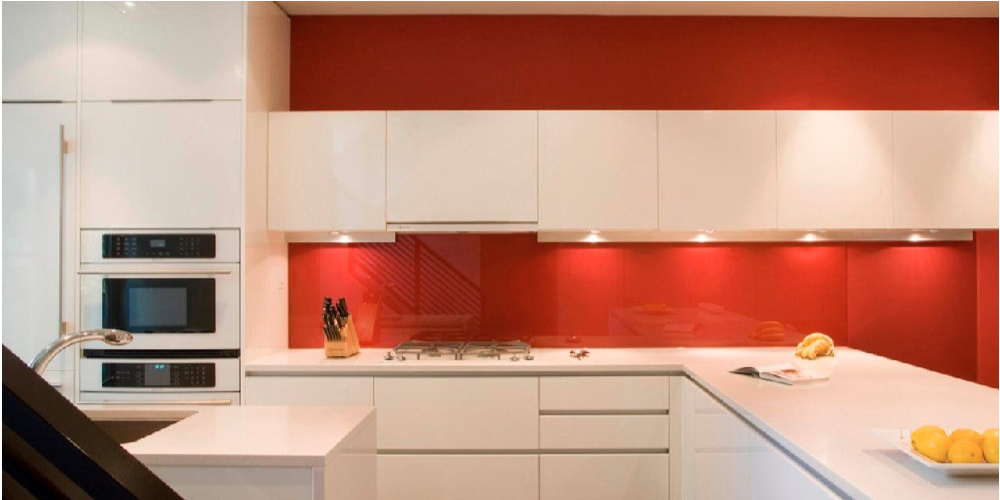
If you want a painted kitchen, MDF is genuinely the better material. The surface is smooth and consistent — paint sits on it cleanly without grain telegraphing through. That's why virtually every professional kitchen installer reaches for MDF when the spec calls for painted doors.
It's also more forgiving to work with. It machines cleanly, cuts without splitting, and tends to be more dimensionally stable than solid timber in climates with fluctuating humidity.
And if cost is a factor — which it usually is — MDF lets you get a great-looking kitchen refresh for less.
When solid oak is worth the investment
If you want the look of real wood, there's no substitute. Grain, warmth, texture — these things can't be replicated by a printed foil or a painted surface. Solid oak has a physical quality to it that you can see and feel.
It also holds up differently over time. A solid oak door that gets a knock or a scratch can be sanded back and re-oiled. An MDF door with a deep chip usually means replacing the door. That repairability is genuinely useful if you're thinking in terms of decades rather than years.
For a kitchen that you want to feel substantial — not just look it — solid oak earns its price.
One other consideration: if you're selling the house, solid oak kitchen doors tend to photograph well and read as premium to buyers. That's not the main reason to choose them, but it's worth knowing.
What about moisture? (The question everyone asks)
Both materials can handle a normal kitchen environment without issues, provided they're fitted and finished correctly.
Solid oak does expand and contract slightly with changes in humidity — this is just how timber behaves. In a well-ventilated kitchen, it's not a problem. In a very steamy kitchen with poor ventilation, it's worth bearing in mind.
MDF's Achilles heel is its edges. The face is robust, but if the edges absorb water — around the sink, for example — they can swell and deteriorate. Sealed and painted edges, good ventilation, and keeping standing water away from the base of doors all but eliminates this risk.
Neither material requires special treatment. Just sensible installation.
Cut-to-size: the part that actually changes things
Here's something most kitchen door guides don't mention: standard door sizes don't fit most kitchens.
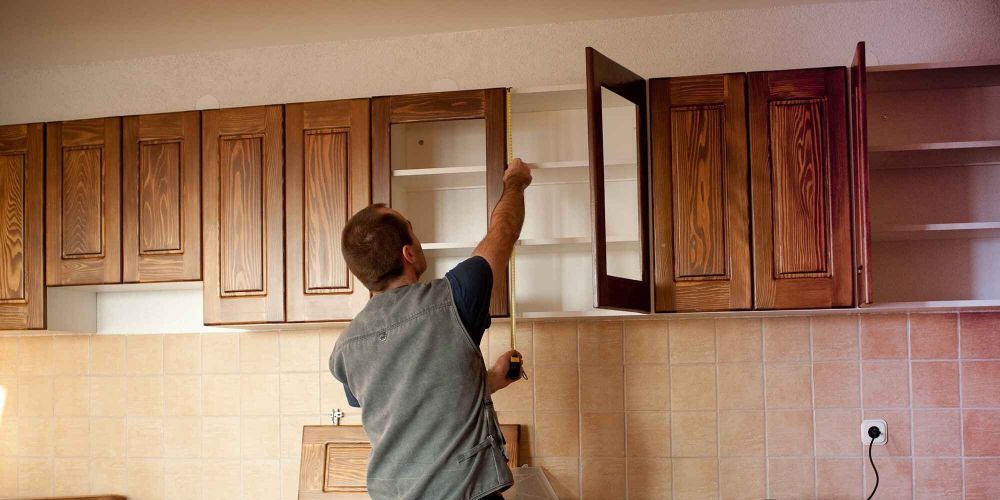
Cabinets settle. Kitchens aren't always square. Old carcasses have non-standard dimensions. If you're replacing doors on existing carcasses — which is the whole point of a kitchen refresh — you almost certainly need doors cut to your exact measurements, not off-the-shelf sizes.
That's where Cut My comes in. Whether you choose solid oak or MDF, we cut both to your exact dimensions and deliver them to your door. No trade account. No minimum order. Just the size you need, cut precisely.
If you've already decided on solid oak — or you're getting closer to it — you can browse our solid oak kitchen doors and enter your measurements directly.
So which should you choose?
Choose MDF if:
- You want a painted finish
- You're working to a tighter budget
- You want a clean, modern aesthetic
Choose solid oak if:
- You want visible natural wood grain
- You're investing for the long term and value repairability
- You want the warmth and character that only real timber delivers
Both are excellent materials. The right answer depends on the kitchen you're trying to create — not on which one is objectively "better."
If you're still deciding, get in touch with our team — we're happy to talk through the options for your specific project.